Best Solar Tool Kit for Beginners 2026: Top 5 Complete Sets Compared
Starting a career in solar panel installation requires the right tools from day one. Buying individual tools separately can cost hundreds of dollars more than purchasing a curated kit. A complete solar tool kit gives beginners everything needed for professional-grade installations -- insulated hand tools, a digital multimeter, wire strippers, MC4-compatible crimping dies, torque wrenches, and a durable carrying case -- all organized in one package. This guide compares the five best solar tool kits for beginners in 2026, evaluated by tool completeness, build quality, safety certifications, carrying case durability, and overall value. It does not teach electrical installation procedures or wiring techniques.
VP
By Vopace Research DeskUpdated June 28, 2026 | Best solar tool kit for beginners
Affiliate Disclosure: As an Amazon Associate, Vopace earns from qualifying purchases. This page may contain affiliate links.
Guide, Not Instruction: This page helps you choose a solar tool kit. It does not teach electrical work, wiring, or solar installation procedures. Always read the manufacturer's manual and hire a qualified electrician for any electrical work.
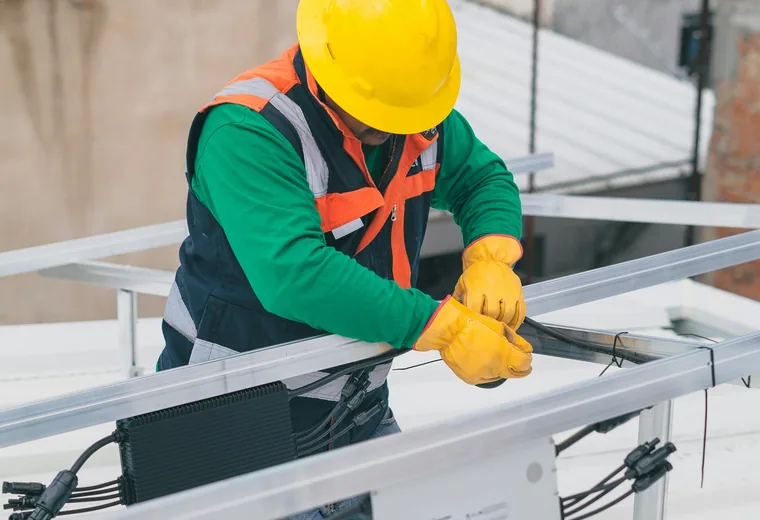
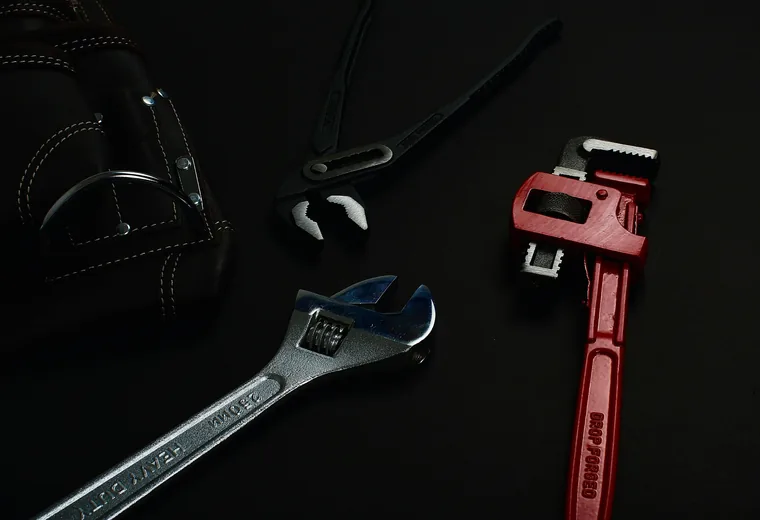
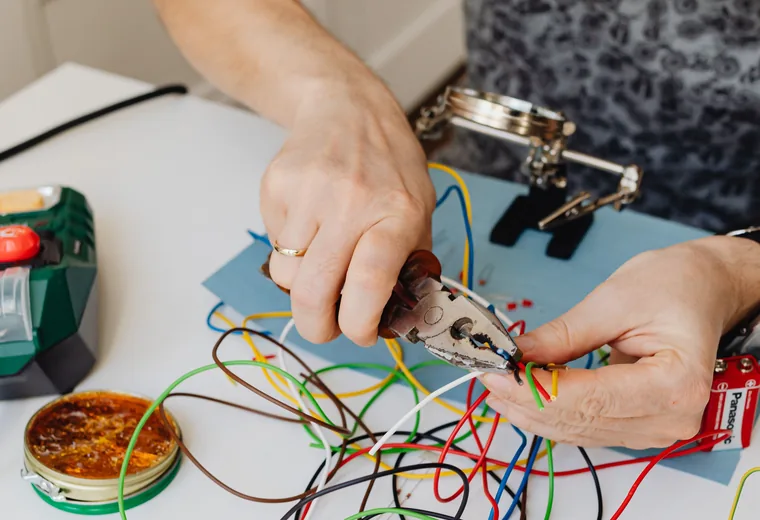
A complete solar tool kit saves beginners hundreds of dollars compared to buying tools individually. Image for tool identification reference only.
Quick picks: Top 5 solar tool kits for beginners in 2026
Best overall: 50-Piece Solar Installer Tool Kit -- comprehensive set with insulated tools, multimeter, and roller bag. Ideal for beginners who want everything in one purchase.
Best premium: 65-Piece Professional Solar Toolkit -- expanded selection with torque wrench, non-contact voltage tester, and heavy-duty case. For serious students entering the trade.
Best value: 30-Piece Basic Solar Toolkit -- core essentials at a budget-friendly price. Great for hobbyists and part-time installers.
Best customizable: 40-Piece Modular Solar Kit -- expandable modular design lets you add tools as your career grows. Smart investment for long-term planning.
Best ultra-budget: 20-Piece Solar Starter Set -- lowest entry point for students testing the solar industry before investing in a full toolkit.
#1
Best Overall
50-Piece Solar Installer Tool Kit with Roller Bag
The 50-piece complete solar installer toolkit represents the sweet spot for most beginners entering the solar PV industry. This kit typically includes 10 insulated screwdrivers spanning multiple tip sizes, VDE-rated combination pliers, diagonal cutters, needle-nose pliers, a digital auto-ranging multimeter, wire strippers covering 6-10 AWG, MC4-compatible crimping dies, cable cutters, torque screwdriver, voltage tester pen, and a durable roller tool bag with customizable foam inserts. The roller bag is particularly valuable for rooftop professionals who need to transport heavy tool loads across job sites.
Key specifications: 50 individual pieces, VDE 1000V insulated hand tools, auto-ranging digital multimeter (600V DC rating), wire strippers for 6/8/10 AWG PV cable, MC4-style crimping die included, roller bag with wheels and telescoping handle, torque screwdriver range 0.4-4 Nm. Weight approximately 12 kg (26 lbs) fully loaded.
Best use cases: This kit suits new solar installation students enrolled in trade school programs, independent installers handling residential rooftop projects up to 10 kW, and small contracting businesses that need a standardized tool set across junior crew members. The roller bag design excels on multi-day commercial installations where tool organization and transport efficiency matter significantly.
Pros:
Most complete beginner kit available -- covers 90% of daily solar installer tasks
VDE 1000V insulation on all hand tools meets NEC safety standards for DC work
Roller bag with wheels handles heavy loads on rooftops and job sites
Auto-ranging multimeter simplifies voltage testing for beginners
Customizable foam inserts keep tools organized between jobs
Cons:
Higher price point ($200-$350) compared to basic starter sets
Roller bag adds significant weight when traveling light
Some kits include generic multimeters with limited accuracy specs
MC4 crimping die may not fit all connector brands (Tyco, Staubli, Amphenol)
Purchasing advice: When shopping for a 50-piece solar installer kit, verify that the included multimeter has a minimum 600V DC rating and CAT III 1000V safety classification. Check that the wire strippers explicitly support 6 AWG and 10 AWG -- the two most common PV cable sizes in residential solar installations. Confirm the roller bag has a telescoping handle and at least 20-liter capacity. Look for kits that list exact tool specifications rather than vague piece counts. This kit type offers the best value for anyone committed to a solar installation career.
Most complete beginner kit -- covers 90% of daily tasks
The 65-piece professional solar toolkit is designed for serious students and entry-level professionals who want every tool they might encounter on a job site. Beyond the standard 50-piece offerings, this premium kit adds a calibrated torque wrench (critical for mounting rail hardware), a non-contact voltage tester for quick live-circuit checks, additional socket and bit sets for mounting system hardware, reflective safety vest, electrical-rated work gloves, and a heavy-duty hard-shell carrying case instead of a soft roller bag.
Key specifications: 65 individual pieces, VDE 1000V insulated hand tools, calibrated torque wrench (5-25 Nm range), non-contact AC/DC voltage tester, digital multimeter with min/max recording, wire strippers for 4-10 AWG, MC4 and MC4-SE compatible crimping dies, socket set with ratchet, hard-shell carrying case with reinforced corners, reflective safety vest, Class E electrical-rated gloves. Weight approximately 15 kg (33 lbs) fully loaded.
Best use cases: Ideal for solar installation students who want a professional-grade toolkit that will last through apprenticeship and into independent contracting. Also suitable for small solar contracting firms standardizing tool kits across new hires. The included torque wrench makes this kit appropriate for mounting rail and racking system work, not just electrical connections.
Pros:
Most comprehensive kit available -- includes torque wrench and safety gear
Hard-shell case protects tools during aggressive job site transport
Non-contact voltage tester adds quick safety verification
Includes reflective vest and electrical-rated gloves for site compliance
Cons:
Highest price point in the beginner category ($350-$500)
Significantly heavier than roller bag kits due to hard case
Some included specialty tools may go unused by residential-only installers
Overkill for hobbyists or weekend DIY solar projects
Purchasing advice: When evaluating a 65-piece professional solar toolkit, verify the torque wrench comes with calibration documentation -- uncalibrated torque tools provide false confidence and can lead to under-tightened mounting hardware. Confirm the hard-shell case has a waterproof rating or at least IP54 protection for outdoor job site conditions. Check that the kit includes both MC4 and MC4-SE crimping dies, as newer panel installations increasingly use the SE variant. This kit is worth the investment if you plan to work professionally in solar installation full-time.
Most comprehensive -- torque wrench and safety gear included
The 30-piece basic solar toolkit strips away premium accessories and focuses on the core hand tools every solar installer needs. Expect VDE-insulated screwdrivers (typically 6 pieces), combination pliers, wire strippers, diagonal cutters, a basic digital multimeter, MC4-compatible crimping tool, cable cutter, and a soft organizer pouch or small tool bag. This kit omits torque wrenches, non-contact testers, and heavy-duty carrying cases, keeping the price accessible for budget-conscious beginners.
Key specifications: 30 individual pieces, VDE 600V or 1000V insulated hand tools, basic digital multimeter (manual ranging), wire strippers for 8/10 AWG, MC4-compatible crimping tool, diagonal cutters, combination pliers, soft organizer pouch or small canvas tool bag. Weight approximately 5 kg (11 lbs) fully packed.
Best use cases: Perfect for hobbyists building small off-grid solar setups for sheds, RVs, or cabin projects. Also suitable for trade school students who need a basic kit for classroom exercises before upgrading to a professional set. Part-time installers who work weekends on residential projects can start with this kit and expand later.
Pros:
Most affordable complete solar toolkit on the market ($80-$150)
Lightweight and portable -- easy to carry in a standard backpack
Covers all essential hand tools for basic solar installations
Soft pouch fits easily in existing tool bags or backpacks
Low financial risk for students unsure about the solar trade
Cons:
Basic multimeter lacks auto-ranging and min/max recording
No torque wrench for mounting hardware work
Soft pouch offers less protection than hard cases or roller bags
Fewer screwdriver sizes may not cover all fastener types
Not suitable for high-volume professional installations
Purchasing advice: For a 30-piece basic toolkit, prioritize kits that include at least VDE 600V insulation on all hand tools -- never buy uninsulated tools for solar DC work. Verify the multimeter has a minimum 200V DC range, as most residential solar arrays operate between 150-450V DC. The wire stripper should explicitly list 8 AWG and 10 AWG compatibility. This kit is an excellent starting point for students testing the solar industry before investing in a full professional toolkit.
40-Piece Modular Solar Installer Kit with Expandable Modules
The 40-piece modular solar toolkit takes a different approach by offering an expandable base kit with interchangeable tool modules. The base set includes essential insulated hand tools, a multimeter, wire strippers, and crimping tool housed in a modular organizer bag with removable compartments. Additional modules can be purchased separately -- electrical testing module (advanced multimeter probes, non-contact tester), mechanical module (torque wrench, socket set, ratchet for mounting hardware), and specialty module (MC4-SE crimping dies, PV cable clips, cable ties). This approach lets beginners start lean and add tools as their skill set and job scope grow.
Key specifications: 40 base pieces plus expandable modules, VDE 1000V insulated hand tools, modular organizer bag with removable dividers, base digital multimeter, wire strippers for 6-10 AWG, MC4-compatible crimping tool, modular expansion slots for electrical and mechanical add-ons. Base weight approximately 7 kg (15 lbs); full configuration with modules approximately 11 kg (24 lbs).
Best use cases: Excellent for career planners who want a toolkit that grows with their profession. New graduates entering the solar trade can start with the base kit and add modules as they take on more complex projects. Small business owners appreciate the flexibility of configuring different tool sets for different crew specializations -- electrical technicians versus mechanical mounters.
Pros:
Expandable design means one kit can serve your entire career
Modular organizer adapts to different job types and tool configurations
Lower initial cost than buying a 65-piece premium kit upfront
Separate electrical and mechanical modules reduce cross-contamination
Removable dividers keep tools sorted by function
Cons:
Modules sold separately can add up to more than a complete kit price
Modular bag mechanism may wear out with frequent reconfiguration
Base kit alone may not cover all beginner scenarios
Fewer complete modular kit options available on Amazon
Purchasing advice: When considering a modular solar toolkit, calculate the total cost of the base kit plus all modules you will realistically need within the first two years. Sometimes a complete 50-piece or 65-piece kit costs less than a modular base plus individual modules. Verify that the modular bag uses robust zipper hardware and reinforced stitching at stress points. Check that expansion modules are widely available from the manufacturer before committing to a specific brand. This kit type rewards long-term thinking and careful budgeting.
The 20-piece solar starter set is the most economical entry point into solar installation tool ownership. This compact set includes the absolute essentials: a small collection of insulated screwdrivers (typically 3-4 pieces), combination pliers, wire strippers, a basic voltage tester, and a small zippered pouch. It omits multimeters, crimping tools, cable cutters, and carrying cases found in larger kits. The 20-piece set is designed for people who already own some tools and need to fill specific gaps, or for students who want to evaluate whether solar installation is the right career path before committing to a major investment.
Key specifications: 20 individual pieces, insulated hand tools (VDE-rated, typically 300V or 600V), 3-4 insulated screwdrivers, combination pliers, basic wire strippers, non-contact voltage tester pen, small zippered tool pouch. Weight approximately 2 kg (4.5 lbs) fully packed.
Best use cases: Ideal for hobbyists working on small off-grid projects like solar-powered garden lighting, tiny cabin battery charging systems, or RV auxiliary power setups. Also useful as a supplementary tool set for electricians who occasionally work on solar maintenance tasks alongside their primary electrical work. Trade school students can use this as a trial kit before purchasing a more comprehensive set.
Pros:
Lowest price point in the solar toolkit category ($30-$60)
Extremely lightweight and portable -- fits in a standard tool pouch
Perfect complement to an existing larger tool collection
Minimal financial commitment for career exploration
Easy to upgrade later -- no sunk cost in unused tools
Cons:
Missing critical tools: no multimeter, no crimping tool, no cable cutter
Insulation rating may only be 300V or 600V, not 1000V
Too few screwdriver sizes for professional work
Not suitable for any real solar installation project
Zippered pouch offers minimal organization and protection
Purchasing advice: A 20-piece starter set should be viewed as a stepping stone, not a complete solution. If you are enrolling in a solar installation program or planning to work on actual solar panel projects, invest in at least the 30-piece basic toolkit instead. The 20-piece set makes sense only if you already own most hand tools and need a few insulated additions, or if you are a complete beginner who wants to explore the hobby space with minimal risk. When shopping, confirm that even the basic tools carry some insulation rating -- never use bare metal tools near solar array wiring.
How to choose the right solar tool kit for your situation
Your choice of solar tool kit depends on several factors beyond the number of pieces. Consider your current skill level, the types of projects you plan to work on, your budget constraints, and your long-term career plans in the solar industry. Here are the key decision factors that should guide your purchase.
Insulation rating: All hand tools in a solar toolkit must meet VDE 1000V insulation standards for DC solar array work. Tools rated only 300V or 600V provide inadequate protection for modern residential and commercial PV systems that commonly operate at 600V-1000V DC. Never compromise on insulation -- it is the primary safety barrier between you and live DC circuits.
Multimeter quality: The multimeter is the diagnostic heart of any solar tool kit. Look for auto-ranging models with a minimum 600V DC input rating and CAT III 1000V safety classification. Min/max recording functionality helps track intermittent voltage issues caused by shading or loose connections. Basic manual-ranging meters found in cheaper kits lack the precision needed for professional solar diagnostics.
Wire stripper AWG coverage: Solar PV installations predominantly use 10 AWG and 6 AWG PV-wire (USE-2 or PV-wire rated for direct burial and sunlight exposure). Ensure your toolkit's wire strippers cover at minimum 8 AWG and 10 AWG. Higher-end kits include strippers that handle 4 AWG for larger commercial arrays and battery bank connections.
MC4 crimping compatibility: MC4 connectors dominate the solar PV industry, but not all MC4-style connectors are interchangeable. Tyco Electronics (now TE Connectivity) invented the original MC4. Stäubli and Amphenol produce compatible versions with slight dimensional differences. Verify that your kit's crimping die matches your connector brand. Premium kits include multiple die sizes for MC4, MC4-SE, and MC4-X variants.
Carrying case type: Your carrying case determines portability and tool protection. Roller bags with wheels excel for commercial installations spanning multiple days across different job sites. Hard-shell cases protect tools during aggressive transport but add weight. Soft organizer pouches are lightweight and packable but offer minimal protection. Match the case type to your work style.
Torque tool inclusion: Proper torque on mounting rails, racking hardware, and conduit connections prevents structural failures from wind vibration and thermal cycling. Kits that include a calibrated torque wrench (5-25 Nm range covers most solar mounting hardware) save you from purchasing this tool separately. If torque work is central to your installation scope, prioritize kits that include this tool.
Safety gear integration: The best solar tool kits go beyond hand tools to include personal protective equipment. Reflective safety vests comply with OSHA site requirements. Class E electrical-rated gloves protect against accidental contact with live conductors. Safety glasses with side shields prevent debris injuries during cable cutting and drilling. Kits bundling these items offer better overall value.
Tool kit material considerations: stainless steel vs chrome vanadium
The metallurgy of tools in a solar kit affects durability, corrosion resistance, and long-term performance on outdoor job sites. Understanding material differences helps you evaluate kit quality beyond piece counts and marketing claims.
Chrome Vanadium (Cr-V) steel: The most common material in beginner and mid-range solar tool kits. Chrome vanadium offers excellent toughness and impact resistance, making it suitable for pliers, cutters, and screwdrivers. Most Cr-V tools receive a black oxide or phosphate finish for basic corrosion resistance. For solar installers working in coastal or humid environments, Cr-V tools require regular cleaning and oiling to prevent rust formation.
Stainless steel: Premium solar tool kits sometimes feature stainless steel components, particularly for tools used in mounting and racking applications. Stainless steel provides superior corrosion resistance compared to Cr-V, making it ideal for salt-air environments near oceans or for installers working on agricultural solar farms with chemical fertilizers nearby. However, stainless steel is softer than Cr-V, meaning stainless pliers and cutters may dull faster under heavy daily use.
Vanadium steel: A step above standard Cr-V in terms of hardness and wear resistance. Vanadium steel tools maintain their edge longer and resist deformation under high torque loads. Look for vanadium steel in torque wrenches, socket sets, and ratchets -- the tools subjected to the highest mechanical stresses in a solar toolkit.
Coating and finish: Regardless of base material, tool coatings significantly affect longevity. PTFE-coated tools repel dirt and moisture, making cleanup easier on job sites. Dipped handles with dual-material grips (hard plastic over soft rubber) improve comfort during extended use and provide additional electrical insulation. Always inspect handle insulation for cracks or tears before each use -- compromised insulation defeats the purpose of VDE-rated tools.
Storage and organization: keeping your solar toolkit job-site ready
Professional solar installers spend as much time organizing tools between jobs as using them on jobs. A well-organized toolkit reduces time wasted searching for specific tools, prevents tool loss on rooftops, and extends tool life through proper storage. Consider these storage strategies when evaluating and maintaining your solar tool kit.
Custom foam inserts: Most roller bag and hard case kits include pre-cut foam inserts with tool outlines. These inserts serve dual purposes -- they hold tools securely during transport and provide instant visual confirmation that no tool is missing from the job site. If your kit does not include foam inserts, consider having custom laser-cut foam made from high-density polyurethane. The investment pays for itself within a single job by eliminating time spent searching for misplaced tools.
Tool labeling system: Label each tool handle with its name and the date last inspected. This practice helps track tool service intervals and ensures that insulated tools have not exceeded their recommended service life. Many professional installers use heat-shrink label tubing that wraps around tool handles and survives job site conditions including rain, dust, and temperature extremes.
Weatherproof storage: Solar tools accumulate dirt, dust, and moisture on job sites. Store your toolkit in a dry, climate-controlled environment when not in use. Moisture trapped inside tool bags causes corrosion on steel components and degrades insulation materials over time. For job site storage, choose kits with water-resistant zippers or roll-top closures that keep rain out during unexpected weather changes.
Inventory management: Maintain a printed inventory sheet inside your toolkit listing every item and its condition. Update this sheet after each job -- note any tools that need cleaning, replacement, or repair. This habit prevents bringing damaged tools to job sites and helps you identify which tools wear out fastest, informing future kit upgrade decisions.
Compatibility: matching your tool kit to solar panel mounting systems
Solar panel mounting rails, clamps, and racking hardware come from multiple manufacturers, each with specific fastener sizes and torque requirements. Your tool kit must include the right sockets, bits, and torque capability to properly secure mounting hardware. Mismatched tools lead to stripped fasteners, improper torque, and potential structural failures.
Common mounting fastener sizes: Most residential solar mounting systems use 1/4-inch, 5/16-inch, or 8mm bolts for rail-to-rail connections. Commercial systems may require 3/8-inch or 10mm fasteners. Verify that your toolkit includes socket or bit sizes compatible with the mounting hardware specified by your racking manufacturer. Popular mounting system brands include Unirac, IronRidge, SunPower, and AP Systems, each with published fastener specifications.
Torque specifications: Mounting hardware torque requirements typically range from 5 Nm (rail end clamps) to 25 Nm (ground clamp connections). A torque wrench covering this range is essential. Over-tightening strips threads or cracks mounting brackets. Under-tightening allows hardware to loosen from wind vibration, potentially causing panel detachment. Always follow the mounting system manufacturer's published torque specifications.
Cable management accessories: Beyond hand tools, solar installations require cable management hardware -- UV-rated cable clips, conduit straps, cable trays, and zip ties rated for sunlight exposure. These are consumable supplies rather than tools, but they should be included in your initial toolkit procurement budget. Purchase cable management accessories from the same supplier as your mounting system to ensure compatibility and warranty coverage.
Cost analysis: tool kit investment versus long-term value
Understanding the true cost of a solar tool kit requires comparing kit pricing against the retail cost of purchasing each tool individually. This analysis reveals whether kit bundles actually save money or if marketing claims of huge savings are justified.
Individual tool retail costs: A quality VDE-insulated screwdriver set (6 pieces) retails for $40-$80. VDE combination pliers cost $25-$50. Quality wire strippers for solar PV cable run $20-$40. A decent auto-ranging multimeter costs $40-$120. An MC4 crimping tool ranges from $30-$80. A calibrated torque wrench costs $40-$100. Adding up these individual items reaches $200-$470 for a comparable set to what most 50-piece kits offer at $200-$350.
Kit value assessment: Most solar tool kits offer 15-30 percent savings compared to buying tools individually. The 30-piece basic toolkit at $80-$150 saves roughly $40-$60 versus individual purchases. The 50-piece complete kit at $200-$350 saves approximately $80-$150. The 65-piece premium kit at $350-$500 saves around $100-$200. These savings are real but modest -- the primary value of kits lies in convenience and curation, not dramatic cost reduction.
Replacement cycle planning: Budget for tool replacement every 3-5 years for professional installers working daily. Insulated hand tools degrade with use -- inspect handles monthly for cracks, burns, or contamination. Multimeter batteries typically last 1-2 years with daily use. Wire stripper jaws dull after approximately 6 months of regular PV cable stripping. Factor annual replacement costs of $50-$150 into your toolkit budget calculation for accurate long-term cost projections.
Where to buy solar tool kits: Amazon versus specialty suppliers
Your purchasing channel affects price, selection, return policies, and warranty support. Understanding the pros and cons of different buying channels helps you make the most informed purchasing decision.
Amazon advantages: Amazon offers the widest selection of solar tool kits with competitive pricing driven by marketplace competition. Customer reviews provide real-world feedback on kit quality, completeness, and durability. Amazon's return policy simplifies exchanges if a kit arrives incomplete or defective. Prime membership enables free two-day shipping on most tool kits. Search filters let you sort by customer ratings, price range, and prime eligibility.
Specialty electrical supplier advantages: Companies like Grainger, MSC Industrial, and dedicated solar supply houses often stock higher-quality branded tool kits from manufacturers like Klein Tools, Wiha, and Knipex. These suppliers offer genuine manufacturer warranties, technical support from knowledgeable staff, and the ability to inspect tools before purchasing. However, prices are typically 20-40 percent higher than Amazon equivalents, and selection is narrower.
Direct-from-manufacturer purchases: Some tool kit manufacturers sell directly through their websites, sometimes offering exclusive color options, custom branding, or bundle deals not available through retailers. Purchasing directly can simplify warranty claims and ensure you receive authentic products rather than counterfeit knockoffs that occasionally appear on marketplace platforms.
Tool kit purchasing checklist
FeatureMinimum for beginnersRecommendedProfessional
Safety certification and compliance considerations
Solar installation work involves significant electrical hazards that make tool safety certifications non-negotiable. Understanding these requirements protects you and ensures compliance with workplace safety regulations.
VDE certification: The German Electrical, Electronic & Information Technologies Industry Association (VDE) sets the global standard for insulated hand tool testing. VDE 0682-Part-200 certification ensures tools withstand 10,000V AC for one minute without breakdown. Look for the VDE logo stamped on every insulated tool handle.
UL listing: In the United States, Underwriters Laboratories (UL) certification provides equivalent assurance. UL 4985 covers insulated hand tools for electrical work. Both VDE and UL certifications are widely accepted by OSHA and insurance providers.
CAT rating: Your multimeter must carry a CAT III 1000V or CAT IV 600V safety rating for solar DC work. The CAT rating indicates the meter's ability to handle transient voltage spikes common in electrical distribution systems. Using an improperly rated multimeter near solar arrays risks catastrophic meter failure and electric shock.
OSHA compliance: Occupational Safety and Health Administration (OSHA) regulations require insulated tools for any work on energized circuits above 50V DC. Solar PV arrays routinely produce 150-1000V DC, making VDE-insulated tools legally required on job sites.
Safety Note: This page is a buying guide, not an installation guide. Solar tool kits are for selecting and purchasing the right equipment. Proper installation technique, electrical safety procedures, and torque specifications should come from the tool and equipment manufacturers. Always consult a licensed electrician or certified solar installer.