Automatic Wire Stripper 4-10mm
Perfect for PV cable, one-hand operation.
Check Price on AmazonBest Wire Strippers for Solar Installers 2026
A quality wire stripper is one of the most frequently used tools in solar panel installation. Every PV cable connection starts with stripping insulation, and doing it wrong damages the conductor, increases resistance, and creates a future failure point. This guide compares the best wire strippers for solar installers in 2026 by stripping accuracy, cable range, build quality, and convenience. It does not teach electrical wiring procedures.
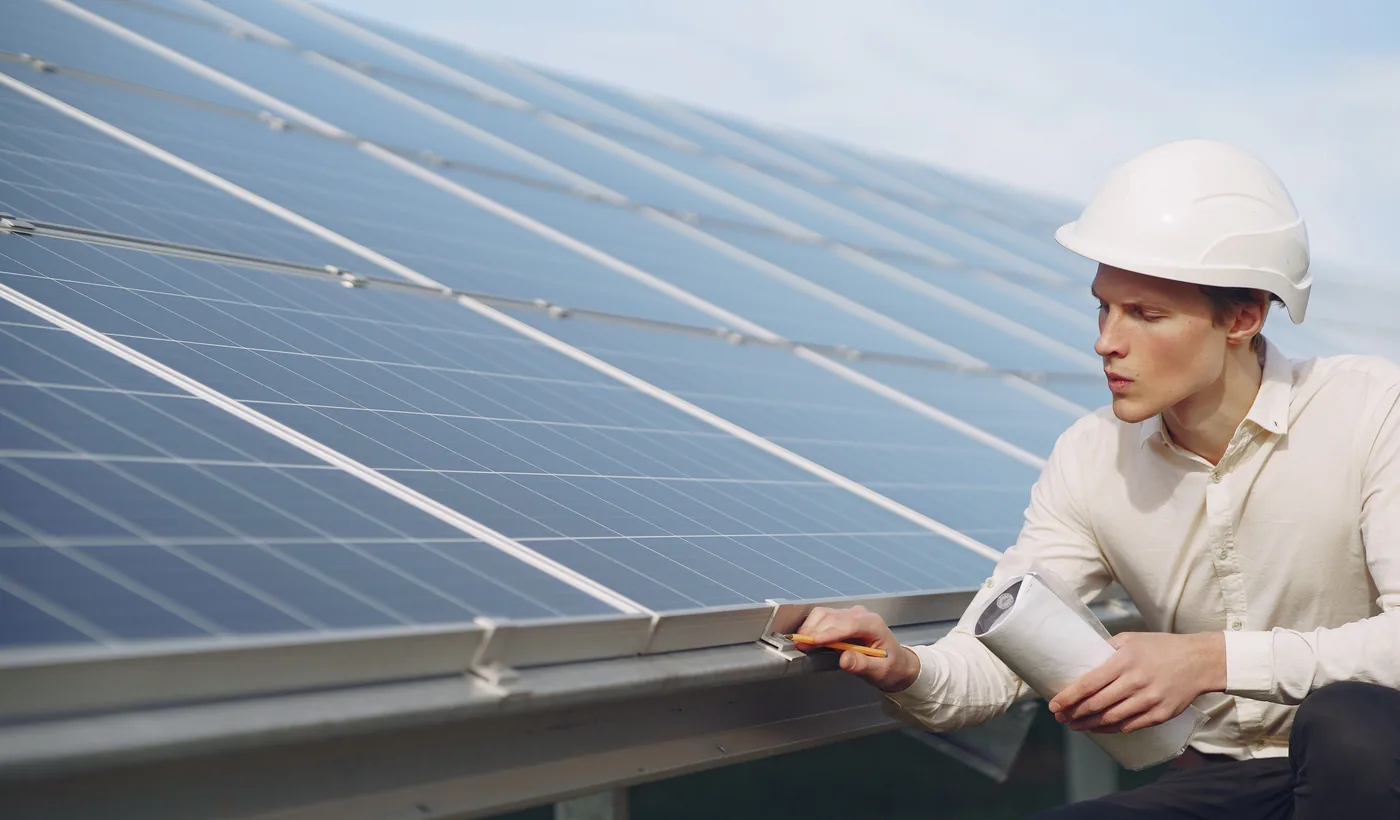
Perfect for PV cable, one-hand operation.
Check Price on AmazonComplete strip cycle, consistent results every time.
Check Price on AmazonBudget-friendly set for occasional solar work.
Check Price on AmazonWire stripping is the foundation of every reliable PV cable connection. Solar installations demand consistent, clean insulation removal because damaged conductors increase electrical resistance and generate heat over time. In rooftop solar arrays, a single poor connection can reduce the output of an entire string of panels. The right wire stripper makes the difference between a professional-grade connection and a potential field failure.
PV cables used in solar installations differ from standard electrical wiring. They are UV-resistant, double-insulated, and often feature a tougher outer jacket that requires more blade force than typical building wire. This is why using a dedicated wire stripper designed for thicker insulation matters. A dull blade or incorrect gauge setting can crack the insulation, nick the copper conductor, or leave uneven stripped ends that compromise connector seating.
Whether you are working on a residential rooftop or a commercial ground-mount array, the wire stripping step appears hundreds of times per project. For a 10kW residential system, you might strip 40 to 60 PV cable ends. A commercial 100kW installation can require 400 to 600 strips. The tool you choose directly affects your speed, consistency, and the quality of every connection. See our solar cable tools guide for the complete toolkit overview.
Solar PV cables use cross-linked polyethylene (XLPE) or thermoplastic insulation rated for outdoor UV exposure and temperatures ranging from -40 to +90 degrees Celsius. This robust insulation is tougher to strip than standard THHN or NM-B building wire. The dual-layer construction of many PV cables, with an inner insulation and an outer jacket, demands a blade that can cut through both layers without crushing the conductor underneath.
Standard household wire strippers may work for thin-gauge wiring, but they are not optimized for the thicker, tougher insulation found in 4mm2 and 6mm2 PV cables. Using the wrong tool leads to nicked conductors, inconsistent strip lengths, and frayed strands that increase the risk of corrosion and connection failure in outdoor environments. A stripper designed for solar applications features a wider jaw opening, hardened carbide or high-speed steel blades, and precise depth adjustment to handle PV cable insulation reliably.
Another consideration is the stranded copper conductor inside PV cables. Unlike solid-core household wire, stranded conductors consist of many thin wires twisted together. An improper stripping technique can splay or cut individual strands, reducing the effective cross-sectional area and increasing resistance. A quality ratchet or auto-adjusting stripper applies controlled, even pressure that removes insulation cleanly without damaging the strands. This is especially critical when preparing cables for MC4 connectors, where a clean, undamaged conductor is essential for a proper crimp.
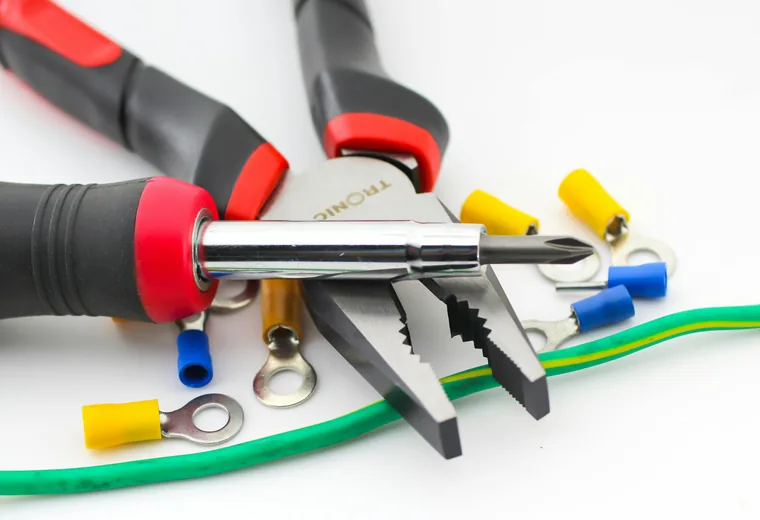
Auto-adjusting wire strippers are the top pick for solar installers who strip cables all day. Set the strip length and wire gauge, then squeeze the tool does the rest. No swapping blades, no manual adjustments between different cable sizes. Look for adjustable strip length (8 to 20mm), AWG coverage for solar PV cables (2.5mm2 to 6mm2), and a built-in cutter for clean cable trimming.
The auto-adjusting mechanism uses a cam-based system that detects the cable diameter automatically when you insert the wire and close the handles. This eliminates the need to manually dial in wire gauges between each strip, saving significant time on jobs where you work with mixed cable sizes. A typical auto-adjusting stripper covers 0.2 to 10mm2 (AWG 24 to 8), which encompasses the full range of residential and commercial solar PV cabling from thin sensor wires up to 6mm2 main array cables.
Blade quality is critical for longevity. Premium auto-adjusting strippers use tungsten carbide or hardened chrome vanadium steel blades that maintain sharpness through tens of thousands of cycles. The stripping action is guided by precision-ground notches that align with the cable insulation thickness, ensuring clean cuts without crushing the conductor. Many models also include a dedicated cutting edge for PV cable, which cleanly severs the tough outer jacket without fraying.
In the field, auto-adjusting strippers shine during high-volume production work. On a commercial rooftop installation with 30 or more panels, you may strip 100 or more cable ends in a single day. The reduced hand force and consistent results make these tools worth the higher upfront cost. They also reduce the learning curve for new installers, since there is less room for user error compared to manual strippers.
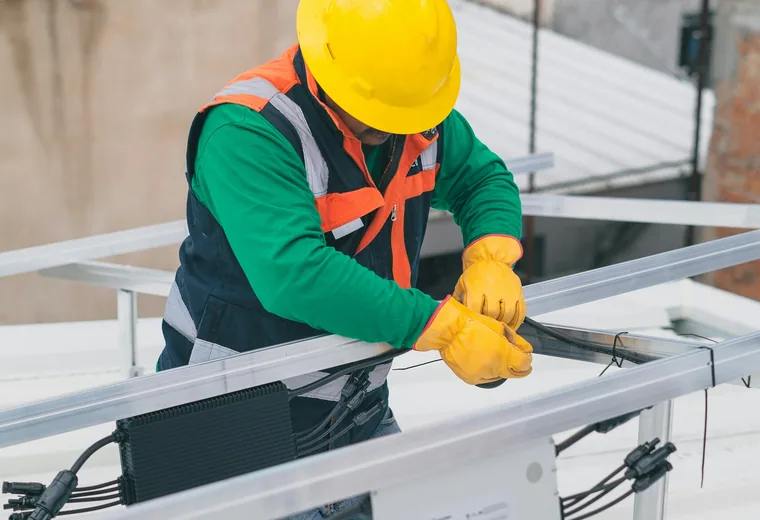
Manual ratchet wire strippers offer excellent value for solar installers on a budget. The ratchet mechanism ensures the blade completes the full strip cycle every time, no partial strips. Adjustable die settings cover multiple cable sizes. Build quality matters: look for hardened steel blades and a comfortable grip handle for all-day use.
The ratchet mechanism is the defining feature that separates this category from basic plier-style strippers. When you squeeze the handles, the ratchet engages and prevents the tool from releasing until the full stripping cycle is complete. This guarantees consistent strip depth and eliminates the most common cause of conductor damage: releasing too early. For solar installers who strip 6mm2 PV cable repeatedly, this reliability translates directly into fewer reworked connections and fewer warranty claims.
Adjustable die settings allow you to switch between different cable diameters by rotating a dial or sliding a collar. Most manual ratchet strippers cover 0.5 to 4mm2, with some models extending to 6mm2. The adjustment process takes a few seconds per cable change, which is acceptable for residential installations where you typically work with one or two cable sizes. For commercial projects using multiple cable gauges, the auto-adjusting model may save more time overall.
Handle ergonomics deserve special attention. Quality manual ratchet strippers feature soft-grip handles with finger grooves that distribute hand pressure evenly. Some models include a spring-assisted opening that returns the handles to the open position automatically, reducing repetitive strain. Blade hardness typically rates around 58 to 62 HRC (Rockwell scale), which provides a good balance between sharpness and durability for stripping PV cable insulation.
Heavy-duty wire strippers designed for commercial solar installations with thicker PV cables. Rated for 6mm2 to 10mm2 cables commonly used in large-scale solar panel arrays. Look for long-lever design for reduced hand effort, replaceable blades, and a maximum voltage rating compatible with your system.
Commercial solar projects, such as warehouse rooftops, agricultural installations, and utility-scale ground mounts, frequently use 6mm2 and 10mm2 PV cables to minimize voltage drop across long cable runs. Standard residential strippers cannot handle these thicker cables. Heavy-duty models feature extended jaw openings up to 12mm diameter, longer lever arms for mechanical advantage, and blades rated for the tougher insulation on larger-gauge PV wire.
The long-lever design provides a mechanical advantage ratio of approximately 3:1 or 4:1, meaning you apply only a fraction of the force needed to strip the insulation manually. This is particularly valuable when working on ladders, scaffolds, or elevated platforms where maintaining a firm grip is challenging. The reduced hand force also means less fatigue over a full day of stripping, which directly impacts productivity and safety.
Replaceable blades are a key feature for heavy-duty models. Since commercial installers strip thousands of cable ends per project, blade wear is inevitable. Models with user-replaceable blades extend the tool life significantly and reduce long-term cost. Look for models that accept standard blade sizes, which are widely available and inexpensive. Some premium models include blade tension adjustment screws that allow you to fine-tune the cutting pressure for different insulation thicknesses.
When selecting a heavy-duty stripper for solar work, verify the voltage rating matches your system requirements. Most heavy-duty strippers are rated for up to 1000V DC, which covers the vast majority of commercial solar array configurations. Check the strip length markings on the handle, as adjustable strip lengths from 10 to 15mm are essential for properly seating MC4 connectors on thicker cables.
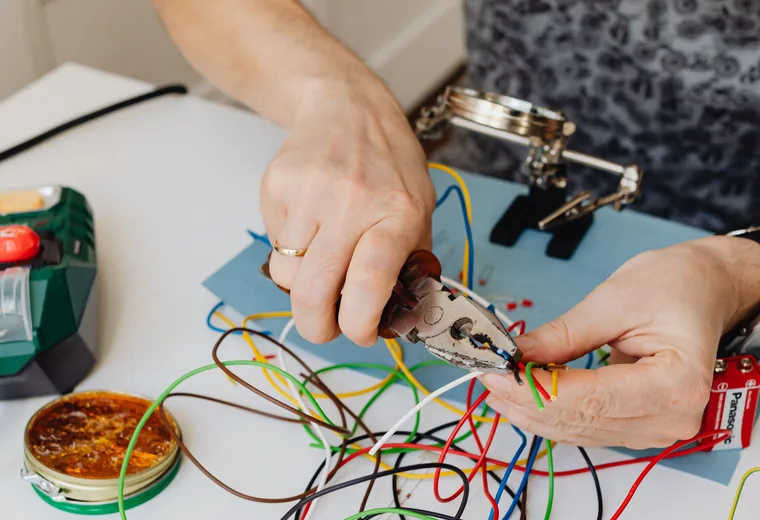
Compact wire strippers are ideal for residential solar installers working with standard 4mm2 and 6mm2 PV cables. Small enough to fit in a tool pocket or small kit. Despite the compact size, look for a sharp blade, proper wire gauge markings, and a comfort grip for extended use on rooftops.
Residential solar installations typically use 4mm2 and 6mm2 PV cables for panel-to-panel interconnects and inverter connections. A compact stripper designed for these sizes offers precise stripping without the bulk of a full-size tool. The smaller form factor makes it easier to work in tight spaces, such as behind roof-mounted racking or inside narrow conduit runs. Many compact models weigh under 200 grams, making them nearly weightless in a tool belt.
Despite their size, quality compact strippers include precision-ground blade edges that cleanly slice through the dual-layer insulation of PV cable without slipping or crushing. Gauge markings etched into the handle or jaw area help you quickly select the correct setting for 4mm2 versus 6mm2 cable. Some models feature color-coded settings for fast visual identification, which speeds up workflow when switching between different cable types during installation.
For installers who primarily work on residential roofs and carry a minimal kit, a compact stripper paired with a separate cable cutter provides an efficient combination. The reduced tool count means less weight to carry up ladders and less equipment to manage on the roof surface. This approach works well for single-family home installations ranging from 5kW to 15kW, where the cable requirements are fairly uniform throughout the project.
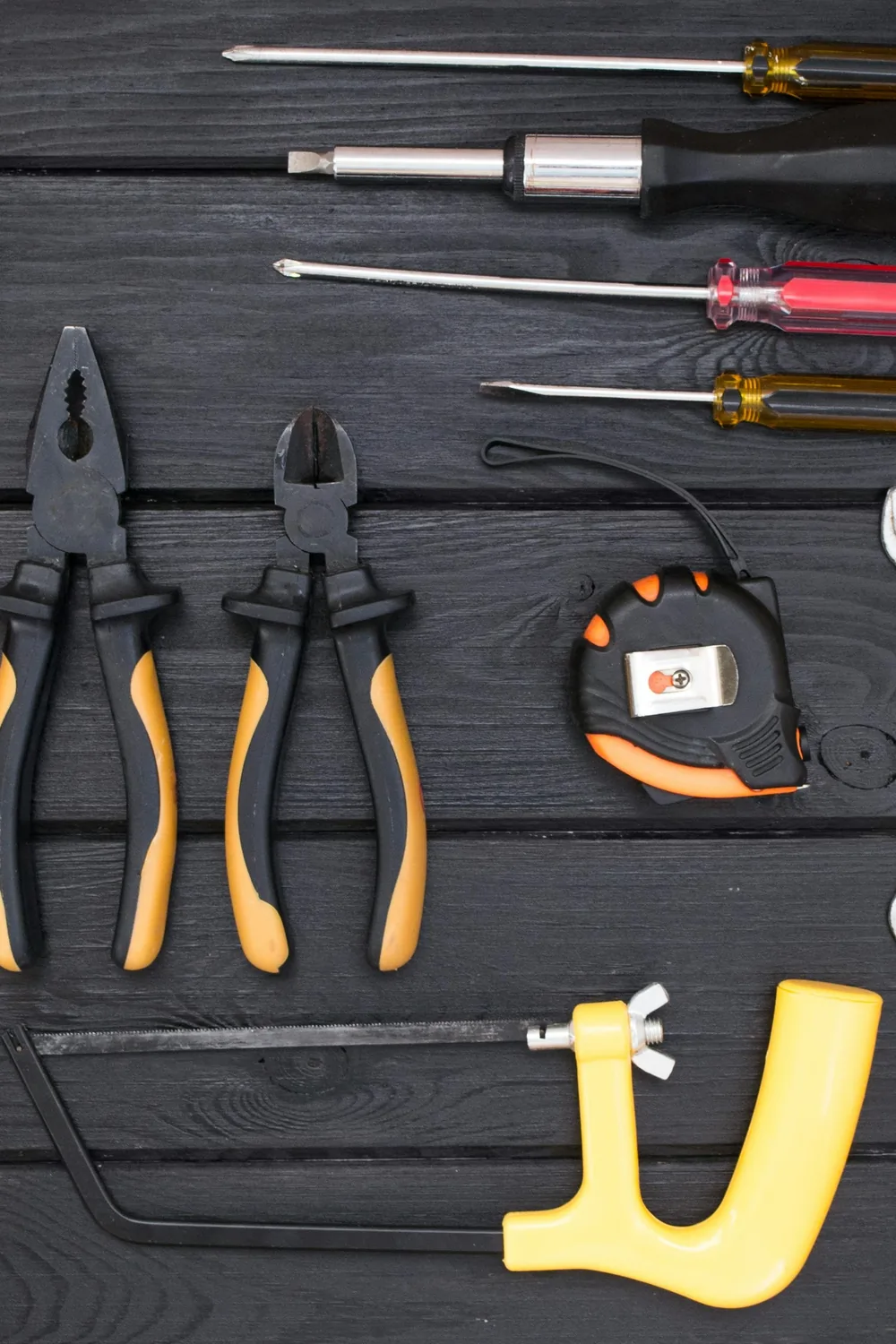
Multi-function wire strippers combine wire stripping, cable cutting, and crimping in one tool. Great for solar installers who want to reduce kit weight. The all-in-one design means you carry fewer tools to the job site. Check that the crimp die is compatible with MC4 connectors and the cutter handles PV cable cleanly.
The typical multi-function design features a jaw section with a built-in wire stripper, a cable cutting blade, and a crimping die set. Some models include additional features such as a screw terminal crimper, a fish tape puller, or a wire bending notch. For solar installers, the most useful combination is strip, cut, and MC4-compatible crimp in a single handheld tool. This reduces the number of separate tools you need to pack, carry, and keep track of on site.
When evaluating a multi-function stripper for solar work, the crimp die compatibility is the most important check. MC4 connectors require a specific square or rectangular crimp profile that matches the connector ferrule. Not all multi-function tools include this specific die, so verify compatibility before purchasing. A universal crimp die set that includes MC4, ring terminal, and spade terminal options offers the most flexibility for mixed electrical work beyond solar installations.
The cable cutting function on multi-function tools varies in quality. Look for a cutter with a hardened steel blade that cleanly severs PV cable without crushing the insulation or leaving burrs. A clean cut is essential for proper connector seating and weatherproofing. Poor cutters leave jagged edges that can prevent the MC4 connector from sealing correctly, leading to moisture ingress and potential arc faults in the field.
Choosing between a manual and an automatic wire stripper is one of the most common decisions solar installers face. Both types can produce clean, reliable strips on PV cable, but they serve different workflows and production volumes. Understanding the trade-offs helps you select the right tool for your specific installation needs.
Automatic wire strippers are faster for high-volume work. Once you set the cable gauge and strip length, every strip operation follows the same sequence: insert wire, squeeze handle, release. The tool handles all adjustments internally. On a production line or in a workshop where you pre-strip hundreds of cables, this speed advantage compounds significantly. A skilled installer using an auto-stripper can strip a 6mm2 PV cable in under two seconds per end.
Manual ratchet strippers require slightly more operator involvement. You must ensure the die setting matches the cable size before each strip. For residential installations where you strip 40 to 60 cable ends per day, the speed difference is negligible. The manual ratchet model gives you full control over the stripping process and often costs 40 to 60 percent less than an equivalent auto-adjusting model.
Both types deliver consistent results when used correctly. Automatic strippers have a slight edge because the cam mechanism standardizes the stripping depth across every cycle. Manual ratchet models rely on the operator to maintain consistent hand pressure and timing. The ratchet mechanism mitigates this risk by preventing premature release, but operator technique still plays a larger role.
For team installations where multiple technicians perform stripping, auto-adjusting models reduce the variability caused by different skill levels. New hires and apprentice installers achieve professional-grade strips more quickly with an automatic tool, whereas manual strippers require more practice to master.
A quality manual ratchet wire stripper typically costs between 20 and 50 dollars. Auto-adjusting models range from 60 to 150 dollars depending on brand, blade material, and feature set. For a solo installer doing 20 to 30 residential jobs per year, the manual model pays for itself within the first year through lower upfront cost and minimal operating expense.
For commercial installation companies running multiple crews on large projects, the productivity gain from auto-adjusting strippers justifies the investment. If an auto-stripper saves five minutes per job and a company completes 500 jobs annually, that is 42 hours of recovered labor time per year. At a typical crew rate, the productivity payback occurs within the first three to six months of use.
Manual ratchet strippers are generally lighter and more compact than auto-adjusting models. A typical manual ratchet weighs 200 to 300 grams, while an auto-adjusting stripper ranges from 350 to 500 grams. For rooftop installers carrying multiple tools up ladders and managing equipment on narrow roof edges, the weight savings of a manual model can be meaningful over a full workday.
| Feature | Manual Ratchet | Auto-Adjusting |
|---|---|---|
| Price range | to | to |
| Strips per minute | 15 to 20 | 25 to 35 |
| Weight | 200 to 300g | 350 to 500g |
| Setup time | Seconds per cable | One-time setting |
| Best for | Residential, budget-conscious | Commercial, high-volume |
| Learning curve | Moderate | Low |
The wire stripper you choose should match your primary working environment. Solar installation work falls into two broad categories, each with different demands on tool performance, portability, and throughput.
Rooftop installations require tools that are lightweight, durable, and easy to operate one-handed while managing cables, clips, and connectors on a ladder or roof surface. A compact or manual ratchet stripper is usually preferred here. The working conditions are less controlled: dust, temperature extremes, and limited workspace favor simpler tools that are less likely to jam or require calibration.
On a residential rooftop, you typically strip 4mm2 and 6mm2 PV cable for panel interconnects and string wiring. A compact stripper designed for these sizes fits comfortably in a tool belt pouch and reaches into tight spaces between mounting rails. For commercial flat-roof installations with longer cable runs, a heavy-duty model rated for 6mm2 to 10mm2 cable handles the larger conductors used to minimize voltage drop across the array.
Many professional solar contractors pre-assemble cable assemblies in a climate-controlled workshop before transporting them to the job site. This approach improves quality control, reduces rooftop labor time, and allows more precise work under consistent lighting and temperature. Workshop environments favor automatic wire strippers and production-oriented tools because throughput and consistency outweigh portability concerns.
In a workshop setting, you may pre-strip 200 to 500 cable ends per day for large commercial projects. An auto-adjusting stripper with carbide blades maintains consistent strip quality throughout the shift without operator fatigue. The higher initial investment is justified by the volume of work and the reduced rework rate. Workshop setups also benefit from having multiple strippers available, allowing different team members to work simultaneously on different cable sizes.
Pre-assembly also pairs well with proper cable labeling systems. When you strip cables in the workshop, you can apply waterproof labels to both ends before crimping MC4 connectors. This reduces errors on site and simplifies the installation process. See our MC4 crimping tool guide for the connector pairing recommendations.
The table below compares the five wire stripper categories covered in this guide across the specifications that matter most for solar installation work. Use it to quickly identify which type matches your cable sizes, volume, and budget.
Selecting the right wire stripper for solar panel installation involves balancing several factors: the cable sizes you work with most frequently, your daily stripping volume, your budget, and whether you primarily work on rooftops or in a workshop. Use this checklist to narrow your options before browsing Amazon.
Most residential solar uses 4mm2 and 6mm2 PV cable. Ensure the stripper covers your cable sizes. Commercial systems may use 10mm2 or thicker. Check the manufacturer's stated cable range and verify it includes the largest cable you will encounter on your projects. A stripper rated for 0.5 to 4mm2 will not handle 6mm2 cable, no matter how sharp the blade is.
Look for adjustable strip length (typically 8 to 12mm for MC4 connectors). Consistent strip length prevents loose connections and ensures the connector seats fully. Some auto-adjusting models feature a quick-release strip length dial that lets you switch between 8mm, 10mm, and 12mm in under a second. Manual models may have fixed strip guides or adjustable depth stops that require a screwdriver to change.
Hardened steel or carbide blades last longer and stay sharp through thousands of strips. Tungsten carbide blades retain edge retention significantly longer than high-carbon steel (HCS) blades, making them worthwhile for high-volume commercial use. Blade hardness is measured on the Rockwell C scale (HRC). Look for blades rated at 58 HRC or higher for durable performance on PV cable insulation.
A reliable ratchet mechanism ensures the blade completes the full strip cycle, preventing partial strips that damage conductors. Check that the ratchet releases smoothly and consistently. Poor-quality ratchets can stick or release prematurely, defeating the purpose of the mechanism. Look for models with stainless steel ratchet springs that resist corrosion from field exposure.
Solar installers strip dozens of cables per day. Comfort grip handles and low hand force reduce fatigue. Soft rubber or vinyl overmold handles provide better grip than hard plastic, especially when wearing gloves in cold weather. Handle spacing of 100 to 120mm in the closed position offers a comfortable grip for most hand sizes. Spring-assisted opening reduces repetitive strain on the thumb and index finger.
Some wire strippers include integrated cable cutters, which eliminate the need for a separate cutting tool. Others feature wire gauge indicators printed on the handle for quick reference. A magnetic tray or built-in holder keeps stripped wire ends organized on the workbench. For solar-specific work, verify that the stripper handles the black UV-resistant PV cable jacket cleanly, as some general-purpose strippers struggle with the tougher outer layer.
Standard household wire strippers are designed for thinner, softer insulation found in building wire (THHN, NM-B). PV cable has a tougher, dual-layer insulation rated for UV and extreme temperatures. While a basic stripper may physically remove the insulation, it risks nicking the conductor and producing inconsistent strip lengths. A dedicated solar wire stripper ensures cleaner cuts and better connector seating. For occasional small residential jobs, a quality manual stripper rated for 4mm2 and 6mm2 will work adequately. For regular solar work, invest in a tool designed for PV cable.
Most MC4 connector manufacturers specify a strip length of 10 to 11 millimeters. Always check the connector datasheet for the exact requirement. Stripping too short prevents the conductor from reaching the crimp contact. Stripping too long exposes excess conductor, increasing the risk of arcing and moisture ingress. A stripper with adjustable strip length in the 8 to 12mm range gives you the flexibility to match different connector types.
Blade replacement frequency depends on usage volume and cable type. For a residential installer stripping 6mm2 PV cable daily, expect to replace blades every 6 to 12 months with regular use. Commercial installers working with thicker cables and higher volumes may need replacements every 2 to 3 months. Signs that blades need replacement include: crushed or frayed insulation, inconsistent strip lengths, increased hand force required, and visible nicks or rounding on the blade edge. Tungsten carbide blades last three to five times longer than standard hardened steel blades.
If you strip more than 50 cable ends per day, an auto-adjusting stripper pays for itself through time savings and reduced error rate. The speed advantage becomes significant on commercial projects with hundreds of cable connections. For residential installers doing fewer than 30 strips per day, a manual ratchet model delivers comparable results at a lower price. Consider your annual stripping volume and labor rate when making this decision.
Solar PV cable is almost always stranded copper conductor, not solid. Most wire strippers are optimized for stranded conductors and work well on PV cable. However, if you encounter solid-core wiring for sensor connections or low-voltage DC circuits, verify that your stripper handles the smaller gauge. Auto-adjusting models typically cover a wider range and handle both stranded and solid conductors seamlessly.
AWG (American Wire Gauge) and mm2 (square millimeters) are two different measurement systems for wire cross-sectional area. Solar installations in the US commonly use mm2 ratings (4mm2 and 6mm2), while European tools often reference AWG. As a reference, 4mm2 is approximately 11 AWG, and 6mm2 is approximately 9 or 10 AWG. Ensure your wire stripper's rated range covers the equivalent measurement for your cable.
An integrated cutter adds versatility without significantly increasing tool weight or cost. For solar installers who frequently cut PV cable to length, a built-in cutter eliminates carrying a separate cable cutter. However, dedicated cable cutters often provide cleaner cuts on thicker PV cable, especially for 6mm2 and above. If you mostly work with 4mm2 cable, an integrated cutter is a convenient addition. For heavy commercial work, consider separate dedicated tools for best results. See our PV cable cutter guide for cutting tool comparisons.
Proper maintenance extends the life of your wire stripper and ensures consistent performance. Wipe the blades clean after each use, especially after working in dusty rooftop environments. Apply a light coat of machine oil to the pivot joint and ratchet mechanism monthly to prevent stiffness. Store the tool in a dry location, preferably in a tool bag or case, to protect the blades from moisture and corrosion.
Inspect the blade edges regularly for signs of wear, chipping, or dulling. A sharp blade cuts through PV cable insulation cleanly with minimal force. A dull blade requires more pressure and increases the risk of conductor damage. Replace worn blades promptly rather than continuing to use a compromised tool. For tools with replaceable blades, keep spare blades on hand to minimize downtime during field work.
Check the strip length adjustment mechanism periodically. Dirt and insulation debris can accumulate in the adjustment slots, causing inaccurate settings. Clean these areas with a brush or compressed air. Verify the strip length by measuring a test strip with calipers before starting a new installation batch.