Best Home Micro Solar Power System 2026: Top 5 Buyers Guide
A home micro solar power system delivers clean electricity for backup power, off-grid living, or reducing your utility bill. But with dozens of configurations on the market -- portable power stations, wall-mounted battery systems, modular expandable units, solar panel plus battery combos, and professional-grade setups -- choosing the right one requires understanding key specifications. This guide compares the five best home micro solar power systems available in 2026, evaluated by power output, battery chemistry, inverter type, expandability, and real-world suitability for different household scenarios. It does not teach installation procedures, wiring, or electrical safety protocols.
VP
By Vopace Research DeskUpdated June 28, 2026 | Best home micro solar power system comparison
Affiliate Disclosure: As an Amazon Associate, Vopace earns from qualifying purchases. This page may contain affiliate links.
Guide, Not Instruction: This page helps you choose a home micro solar power system. It does not teach electrical work, wiring, solar panel mounting, or installation procedures. Always read the manufacturers manual and hire a qualified electrician for any electrical work.
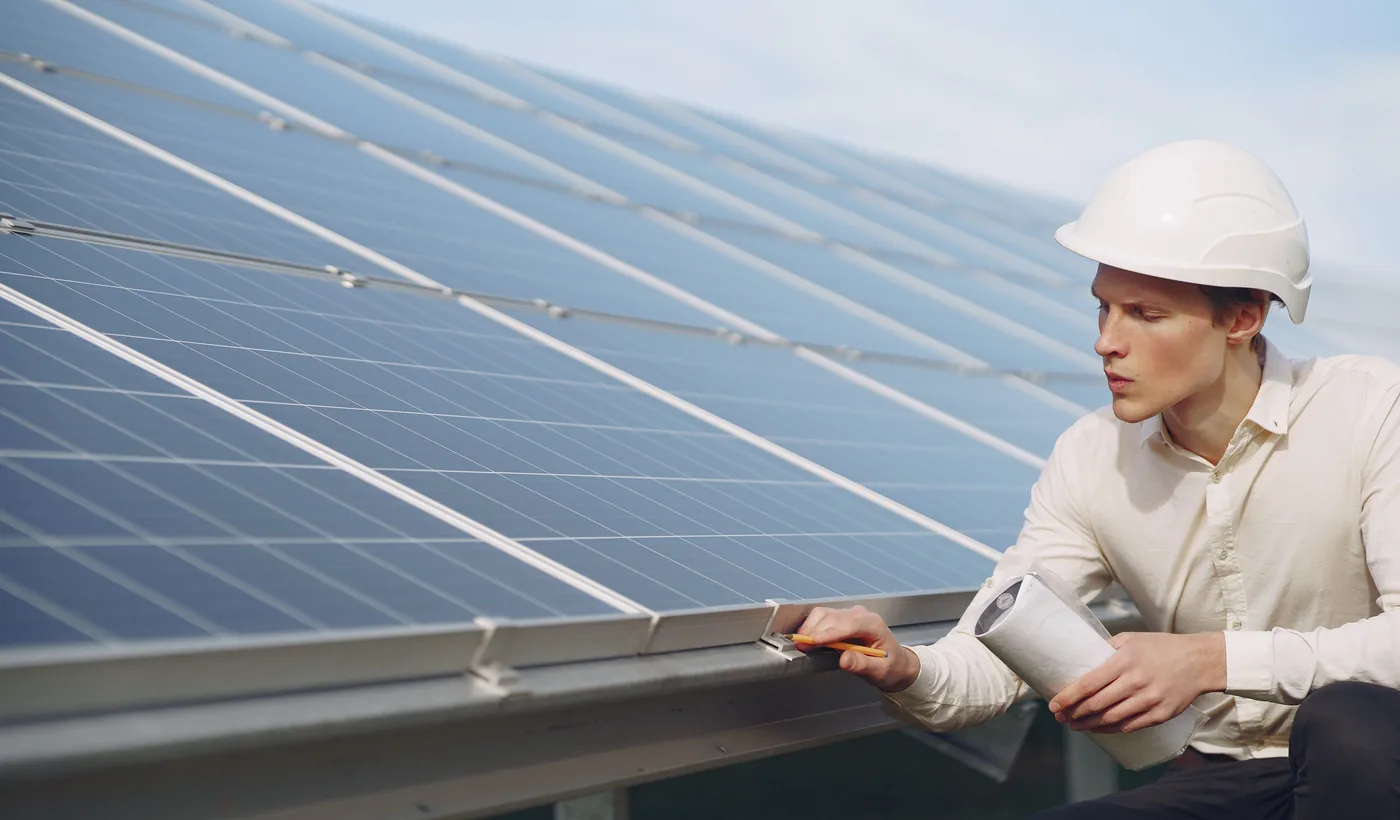
Home micro solar power systems range from portable stations to fully expandable wall-mounted battery setups. Image for product identification reference only.
Quick picks: Best home micro solar power systems of 2026
Best portable: Compact lithium power station with pure sine wave inverter -- ideal for camping, RV travel, and emergency home backup under 1 kWh.
Best wall-mounted: Sleek wall-mounted battery system with integrated MPPT charge controller -- perfect for homeowners seeking a clean, permanent installation.
Best modular expandable: Stackable solar module system with LiFePO4 battery and hybrid inverter -- designed for households that need to grow capacity over time.
Best panel+battery combo: All-in-one solar panel and battery unit with foldable panels -- great for renters and small-space living where roof space is limited.
Best pro-grade: High-capacity home energy storage system with 5 kW hybrid inverter and 10 kWh LiFePO4 battery -- built for whole-house backup and significant energy independence.
#1
Best Portable
Portable Lithium Power Station with Pure Sine Wave Inverter (400W-1000W)
Ideal for camping, RV trips, and emergency home backup under 1 kWh
Portable lithium power stations occupy the entry tier of home micro solar power systems. They are self-contained units combining a battery pack, built-in inverter, charge controller, and multiple output ports in a single carry-handle-equipped enclosure. Most models in the 400W to 1000W range use lithium-ion batteries (NMC chemistry) with capacities between 200Wh and 1000Wh. The key advantage is zero installation -- you simply charge the unit from a wall outlet or solar panels and plug in your devices.
For 2026, the most competitive portable power stations feature pure sine wave inverters, which are essential for running sensitive electronics like laptops, medical devices, and variable-speed motors. Modified sine wave inverters found in cheaper units can damage these devices and cause overheating. Look for models that specify "pure sine wave" in the product description.
Key Specifications
Zero installation required
True portable -- carry anywhere
Pure sine wave inverter on quality models
Multiple output ports (AC, USB-C PD, 12V DC)
Charges from wall outlet in 1-2 hours
Can be recharged via solar panel input
Limited capacity (typically under 1000Wh)
Cannot power whole house
NMC lithium batteries have shorter cycle life than LiFePO4
Solar charging speed limited by built-in MPPT (usually 100W max)
Premium brands carry high markups
Best For
Portables excel in scenarios where mobility matters more than capacity. RV travelers use them to power lights, fans, and small appliances without running the generator. Campers run LED lighting, phone chargers, and portable refrigerators. At home, they serve as emergency backup for routers, modems, phones, and a few essential lights during short outages. If your power needs exceed 1000Wh, consider a wall-mounted or modular system instead.
Purchasing Advice
When shopping for a portable power station, prioritize models with at least 300W continuous AC output and a 600W surge capacity. Verify the battery chemistry -- newer premium models now offer LiFePO4 cells with 3,000+ cycle lifespans versus 500-800 cycles for NMC. USB-C Power Delivery ports (up to 140W) are increasingly common and eliminate the need for separate laptop chargers. Solar input capability is valuable but rarely fast enough to recharge a depleted unit in a single day; plan on 4-8 hours of direct sunlight for a full solar recharge on most models.
Wall-Mounted Home Battery System with Integrated MPPT Controller (2kW-5kW)
Clean, permanent home energy storage with sleek design and expandable capacity
Wall-mounted home battery systems represent the mainstream choice for homeowners who want a permanent, aesthetically clean energy storage solution. These units mount on interior or exterior walls, typically in garages, utility rooms, or covered outdoor locations. Capacity ranges from 2 kWh to 10+ kWh, using LiFePO4 (lithium iron phosphate) battery cells for their superior safety profile and 6,000-cycle lifespan at 80% depth of discharge.
The defining feature of quality wall-mounted systems is the integrated MPPT (Maximum Power Point Tracking) charge controller. This ensures optimal solar panel energy harvest across varying light conditions. Many models also include a hybrid inverter, allowing the system to manage solar input, battery charging, home power distribution, and grid-tie or off-grid operation from a single compact enclosure.
Key Specifications
LiFePO4 battery with 6,000+ cycle lifespan
Integrated MPPT charge controller optimizes solar harvest
Sleek, space-efficient wall form factor
Expandable capacity on most systems (stack multiple units)
Hybrid inverter manages solar, battery, and AC simultaneously
Smart monitoring via WiFi mobile app
Requires professional installation for warranty
Higher upfront cost than portable stations
Fixed location -- not portable
Indoor or sheltered outdoor placement only
Battery capacity may be insufficient for whole-house backup
Best For
Wall-mounted systems suit homeowners who want a permanent energy solution that looks good and integrates cleanly with their solar panel array. They are ideal for reducing daytime grid consumption, storing excess solar energy for nighttime use, and providing partial home backup during outages. A 5 kWh wall-mounted system can typically power essential circuits -- refrigerator, lights, internet router, and a few outlets -- for 6-12 hours depending on household load.
Purchasing Advice
When evaluating wall-mounted battery systems, confirm the system uses LiFePO4 chemistry rather than older NMC or LFP alternatives with lower cycle counts. Verify the hybrid inverter supports both AC-coupled and DC-coupled solar panel connections for maximum flexibility. Check that the system includes a dedicated mobile app for real-time energy monitoring, charge/discharge scheduling, and firmware updates. Look for models with NEMA 4X or IP65 weatherproof ratings if you plan outdoor installation. Expandability is critical -- choose a system that allows adding 1-2 additional battery modules in the future without replacing the main unit.
Stackable Solar Module System with LiFePO4 and Hybrid Inverter (3kW-10kW)
Grow your system capacity over time with modular, stackable solar energy modules
Modular solar energy systems are the fastest-growing category in residential solar storage. Unlike fixed-capacity units, modular systems let you start small -- perhaps a 3 kWh base unit with a 3 kW hybrid inverter -- and add battery modules and solar input capacity as your budget and energy needs grow. This pay-as-you-grow approach reduces the initial investment barrier while ensuring the system scales with your household.
The architecture typically consists of a central hybrid inverter hub, one or more stackable battery modules (usually 2.5-5 kWh each), and flexible solar panel input connections. Communication between modules happens through CAN bus or similar protocols, enabling intelligent load balancing and coordinated charge/discharge management across all connected units.
Key Specifications
Start small, expand later -- true pay-as-you-grow design
LiFePO4 batteries in all modules for safety and longevity
Central hybrid inverter manages all energy flows intelligently
Parallel battery stacking increases total capacity seamlessly
Smart load prioritization allocates power to essential circuits
Future-proof investment as battery costs decline
Complexity requires qualified installer for proper configuration
Higher total cost than equivalent single-unit systems
More components mean more potential failure points
Space requirements grow with each added module
Some brands lock you into proprietary modules
Best For
Modular systems are ideal for homeowners who want maximum flexibility and plan to stay in their residence long-term. They suit households with growing energy demands -- perhaps adding an electric vehicle charger, heat pump, or home expansion in the coming years. Budget-conscious buyers appreciate starting with a smaller system and expanding when funds allow. Multi-family dwellings and small commercial properties also benefit from the scalability modular architecture provides.
Purchasing Advice
When choosing a modular system, verify that the hybrid inverter supports at least 3-4 battery module expansions. Confirm the communication protocol is standard (CAN bus or Modbus) rather than a proprietary lock-in. Check whether additional modules are sold separately or only as bundles -- buying individually often costs less. Verify that the system supports both grid-tied and off-grid operation modes, as this determines backup capability during utility outages. Ensure the inverter AC output supports your homes electrical panel amperage (typically 100A-200A for residential).
All-in-One Solar Panel and Battery Unit with Foldable Panels (1kW-3kW)
Complete solar generation and storage in one package -- perfect for renters and small spaces
All-in-one solar panel and battery combo systems bundle solar panels, a charge controller, battery storage, and often an inverter into a single purchasable package. The standout feature of this category is the inclusion of foldable or portable solar panels, which eliminates the need for permanent roof mounting. This makes combos particularly attractive to renters, RV owners, and homeowners with limited roof space or unfavorable roof orientation.
Typical combo packages include 2-4 foldable solar panels (100W-200W each), a 500W-3000W pure sine wave inverter, a built-in MPPT charge controller, and a LiFePO4 battery module ranging from 1 kWh to 5 kWh. The panels connect directly to the inverter/charger unit via MC4-compatible connectors, and the battery plugs into the same unit. Everything operates as a unified system with minimal configuration required.
Key Specifications
Everything included -- panels, battery, inverter, charge controller
No roof mounting required -- panels deploy on ground or balcony
Foldable panels are portable and storable
Plug-and-play setup with minimal technical knowledge
Ideal for renters who cannot modify their property
Lower total cost than buying components separately
Foldable panels produce less power than permanent roof mounts
Weather exposure reduces panel lifespan compared to installed panels
Battery capacity often undersized for meaningful whole-home backup
Inverter efficiency typically lower than dedicated standalone units
Panel angle and orientation are suboptimal compared to fixed mounts
Best For
Combo systems shine in situations where permanent installation is impossible or impractical. Renters who want solar without landlord approval, cabin and tiny home residents with limited space, and homeowners who want supplemental power for outdoor activities all benefit from the flexibility combos provide. They are also excellent starter systems for homeowners testing solar before committing to a larger permanent installation.
Purchasing Advice
When evaluating combo packages, prioritize systems that include LiFePO4 batteries over NMC lithium-ion -- the cycle life difference (3,000+ vs 500-800 cycles) translates to significantly lower total cost of ownership. Verify that the included solar panels are monocrystalline with at least 22% conversion efficiency; polycrystalline panels waste valuable deployment space. Confirm the inverter is pure sine wave, not modified sine wave. Check the total solar input wattage -- a 1000W battery paired with only 200W of panels will take days to fully charge from solar alone. Look for packages that include a carrying case for the panels.
High-Capacity Home Energy Storage System with 5kW Hybrid Inverter (10kWh+ LiFePO4)
Whole-house backup power and maximum energy independence for serious solar adopters
Pro-grade home energy storage systems sit at the top of the residential micro solar power hierarchy. These are substantial installations featuring 5 kW or higher hybrid inverters, 10 kWh to 30+ kWh of LiFePO4 battery storage, and integration with 5 kW to 20 kW of solar panel arrays. They are designed to power entire homes during grid outages, significantly reduce or eliminate electricity bills, and provide years of reliable service.
The distinguishing characteristic of pro-grade systems is their whole-house capability. While smaller systems power select circuits or individual rooms, pro-grade units connect directly to your homes main electrical panel through a transfer switch, enabling seamless automatic switchover when grid power fails. Advanced models include smart load management algorithms that prioritize essential circuits, shed non-critical loads, and optimize energy dispatch based on weather forecasts and utility rate schedules.
Key Specifications
10-30+ kWh capacity powers entire home for 12-48 hours
5kW+ hybrid inverter handles peak household loads including AC and electric ranges
Automatic transfer switch enables seamless grid outage response
Smart load management optimizes energy distribution across circuits
Grid-tied operation qualifies for net metering credits in most utilities
LiFePO4 chemistry ensures 6,000+ cycle lifespan
Highest upfront cost ($8,000-$25,000+ installed)
Requires professional installation and electrical panel upgrade
Significant physical space needed for battery bank and inverter
Permitting and utility interconnection paperwork required
Overkill for households with modest energy needs
Best For
Pro-grade systems target homeowners who want genuine energy independence and plan to stay in their current residence for 10+ years. They are particularly valuable in areas with frequent grid outages, high electricity rates ($0.20+/kWh), or favorable net metering policies. Homes with high baseline energy consumption -- those running central air conditioning, electric vehicles, or electric water heating -- benefit most from the large capacity these systems provide.
Purchasing Advice
Before investing in a pro-grade system, conduct a thorough home energy audit to determine your actual daily consumption in kWh. Many homeowners overestimate their needs and overspend on oversized systems. Use your last 12 months of utility bills as the baseline -- divide monthly kWh by 30 to get daily average, then multiply by 1.3 to account for system inefficiencies. A home consuming 30 kWh/day needs at minimum a 40 kWh storage system (accounting for 75% round-trip efficiency). Verify the hybrid inverter supports your local grid frequency (60 Hz in North America) and voltage (120/240V split-phase). Confirm the system includes remote monitoring and that firmware updates are freely available from the manufacturer.
How to choose the right home micro solar power system
Selecting the right home micro solar power system requires understanding several technical specifications that directly impact performance, compatibility, and long-term value. This section walks through the critical decision factors every buyer should evaluate before purchasing.
Power Output and Capacity
Power output determines what appliances your system can run simultaneously. Measured in watts (W) for instantaneous output and watt-hours (Wh) or kilowatt-hours (kWh) for stored energy capacity, these two metrics serve different purposes. A system with 500W output can run a 100W lamp and a 200W mini-fridge simultaneously. A 2 kWh capacity means that system can sustain 500W of load for approximately 4 hours (accounting for inverter losses). Calculate your daily energy consumption from utility bills and size your system to cover 100-150% of that figure for meaningful backup.
Battery Chemistry: LiFePO4 vs. Lithium-Ion (NMC)
Battery chemistry is arguably the most important specification in any solar power system. Two main lithium chemistries compete in the residential market: LiFePO4 (lithium iron phosphate) and NMC (nickel manganese cobalt). LiFePO4 cells offer 3,000-6,000+ charge cycles at 80% depth of discharge, operate safely at higher temperatures, and are virtually immune to thermal runaway. NMC cells offer higher energy density (more capacity in less space) but typically deliver only 500-1,500 cycles and generate more heat during operation. For home installations where space is less constrained and longevity matters more, LiFePO4 is the superior choice. The price premium has narrowed considerably by 2026, making LiFePO4 the default recommendation for most buyers.
Inverter Type: Pure Sine Wave vs. Modified Sine Wave
The inverter converts stored DC battery power into AC household power. Pure sine wave inverters produce electricity that closely matches utility grid power -- smooth, continuous waveform with minimal harmonic distortion. Modified sine wave inverters produce a stepped, approximate waveform that can cause motors to run hotter, electronics to hum, and sensitive equipment to malfunction or suffer damage. Always select pure sine wave inverters for home use. The price difference between pure and modified sine wave inverters is negligible in 2026, making modified sine wave options difficult to justify except for the most basic applications like resistive heating elements.
Solar Panel Compatibility and MPPT Controllers
Not all solar power systems accept solar panel input. Portable stations typically accept 12V-24V panel input through DC barrel connectors. Wall-mounted and modular systems accept higher-voltage panel strings through MC4 connectors with integrated MPPT controllers. MPPT (Maximum Power Point Tracking) controllers dynamically adjust the electrical operating point of solar panels to extract maximum power under varying sunlight and temperature conditions. MPPT controllers typically deliver 15-30% more energy harvest than older PWM (Pulse Width Modulation) controllers. Verify that your chosen system includes an MPPT controller with a voltage range compatible with your solar panel arrays open-circuit voltage (Voc).
Expandability and Future-Proofing
Energy needs grow over time. A system that meets your needs today may fall short in two years when you add an EV charger, heat pump, or home office. Prioritize systems that allow battery module expansion, additional solar panel input, and inverter upgrades. Modular architectures offer the greatest flexibility. Wall-mounted systems with stackable battery modules provide a good balance of expandability and aesthetic integration. Fixed-capacity portable stations offer no expansion path -- buy the largest capacity you can afford upfront, or plan to upgrade later.
Compatibility with Home Electrical Systems
For permanent installations, verify that the solar power systems AC output matches your homes electrical specifications. North American homes use 120/240V split-phase power at 60 Hz. European homes use 230V single-phase at 50 Hz. The systems inverter must match your local grid specifications. Additionally, check the systems maximum AC input current -- a 30A inverter requires a dedicated 40A circuit breaker and appropriately sized wiring. Professional installation through a licensed electrician ensures code compliance and maintains warranty coverage in most jurisdictions.
Storage and Operating Temperature Range
Battery performance degrades significantly outside optimal temperature ranges. LiFePO4 batteries typically operate between -10C and 50C (14F to 122F) for discharge and 0C to 45C (32F to 113F) for charging. If you plan to install your system in an unheated garage, shed, or outdoor location, verify the manufacturer specifies adequate low-temperature performance. Some premium systems include integrated battery heating elements that maintain optimal cell temperature during cold-weather charging -- a valuable feature in northern climates.
Application scenario comparison
Different home micro solar power systems serve different use cases. Understanding which scenario matches your situation helps narrow the selection dramatically.
Emergency home backup (outage protection): Focus on systems with sufficient capacity to power essential circuits -- refrigerator, lights, internet router, medical devices -- for 12-48 hours during grid outages. A 2-5 kWh wall-mounted system with LiFePO4 battery and automatic transfer switch is the optimal configuration. Portable stations work for short outages affecting only a few devices.
Off-grid cabin or tiny home: Requires substantial capacity and reliable solar charging. A modular system with 10+ kWh battery capacity and 2-4 kW of solar panel input provides the energy independence needed for permanent off-grid living. Pure sine wave inverters and MPPT controllers are essential.
Rental property supplemental power: Renters cannot install permanent systems. All-in-one panel+battery combos with foldable panels offer the best solution -- deploy on a balcony or patio, connect to essential devices, and take everything with you when you move. Portable power stations are a secondary option.
RV and mobile living: Portability and ruggedness matter most. Look for systems with built-in handles, shock-resistant enclosures, and 12V DC output for RV appliances. Portable stations with 500-1000Wh capacity strike the best balance between power and weight.
Grid-tied energy bill reduction: If your goal is reducing monthly electricity costs rather than backup power, prioritize systems with grid-tie capability and net metering support. Wall-mounted and modular systems with hybrid inverters excel here, storing excess solar energy during the day and discharging during peak-rate evening hours.
Outdoor event and tailgate power: Lightweight portability trumps capacity. A 300-500Wh portable power station with USB-C PD output can run Bluetooth speakers, LED lighting, and phone chargers for an entire weekend event without generating noise or emissions.
Understanding key technical specifications
Before making a purchase, familiarize yourself with these technical terms that appear in product specifications and directly affect system performance.
Depth of Discharge (DoD)
Depth of discharge indicates how much of the battery capacity you can safely use. A 10 kWh battery with 90% DoD delivers 9 kWh of usable energy. LiFePO4 batteries typically support 90-95% DoD without degradation, while NMC batteries are often limited to 80-85% DoD to maintain cycle life. Always calculate usable capacity, not just rated capacity, when comparing systems.
Round-Trip Efficiency
Round-trip efficiency measures how much solar energy you actually get out compared to what you put in. A system with 85% round-trip efficiency loses 15% of stored energy to inverter conversion, battery internal resistance, and charge controller losses. Higher efficiency means more usable energy from the same solar array. Modern hybrid inverters achieve 93-96% efficiency, while older or budget models may only reach 85-88%.
C-Rate and Continuous vs. Peak Power
The C-rate describes how fast a battery can charge or discharge relative to its capacity. A 1C discharge from a 10 kWh battery means 10 kW of output. Most home systems operate at 0.2C-0.5C discharge rates. Continuous power rating indicates sustained output; peak or surge power (usually 2-3x continuous for 5-10 seconds) handles motor startup loads from refrigerators, HVAC compressors, and power tools.
MPPT Voltage Window
The MPPT charge controller has a maximum input voltage (Voc) and an optimal operating voltage range. Your solar panel array Voc must fall within this window under all expected ambient temperatures. Cold weather increases panel Voc, so always verify the coldest-day Voc does not exceed the MPPT maximum. Systems with wider MPPT voltage windows accommodate more panel configuration flexibility.
Communication Protocols
Modern solar power systems use CAN bus, RS-485, Modbus, or WiFi for module-to-module and module-to-inverter communication. Proprietary protocols lock you into a single brand ecosystem. Standard protocols like Modbus RTU allow third-party monitoring software and integration with home automation systems like Home Assistant or SmartThings.
Frequently asked questions
1. How long does a home micro solar power system last?
LiFePO4 battery systems typically last 10-15 years with daily charge-discharge cycles, delivering 3,000 to 6,000+ cycles before capacity degrades below 80% of original rating. NMC lithium-ion batteries last 5-8 years with 500-1,500 cycles. Solar panels, if included, typically retain 80-90% of original output after 25 years. Hybrid inverters usually have a 10-year warranty and 15-20 year functional lifespan. The battery is almost always the first component to require replacement in a micro solar power system.
2. Can a home micro solar power system run my entire house?
Only the largest pro-grade systems with 10+ kWh capacity and 5 kW+ inverters can meaningfully power an entire home. A typical American household consumes 25-30 kWh per day. A 10 kWh system with adequate solar panel input can cover partial to full daily consumption depending on geographic location, season, and household efficiency. Smaller systems (under 5 kWh) reliably power essential circuits only -- refrigerator, lighting, communications equipment, and a few outlets. Size your system based on actual daily kWh consumption, not peak wattage alone.
3. What is the difference between a portable power station and a home solar battery system?
Portable power stations are self-contained, carry-handle-equipped units ranging from 200Wh to 2000Wh, designed for mobility and zero installation. They are ideal for camping, RVs, and short-term emergency backup. Home solar battery systems (wall-mounted, modular, or pro-grade) range from 2 kWh to 30+ kWh, require permanent or semi-permanent installation, integrate directly with solar panel arrays, and provide whole-home backup capability. The key differentiators are capacity, installability, solar integration depth, and intended use duration.
4. Do I need a permit to install a home micro solar power system?
Portable power stations require no permits -- they plug directly into standard AC outlets. Wall-mounted and modular systems that connect to your homes electrical panel typically require electrical permits and inspections in most US municipalities. Pro-grade whole-house systems always require permits, utility interconnection agreements, and professional installation. Check with your local building department before purchasing a permanent system, as permit requirements vary by jurisdiction. Some homeowner associations also restrict exterior solar panel installations.
5. How much solar panel capacity do I need to charge a home battery system?
A general rule of thumb: size your solar panel array at 1.5 to 2 times your battery capacity in watt-hours. For a 5 kWh (5,000 Wh) battery, aim for 750W to 1,000W of solar panels. This ensures the system can fully recharge from empty within a typical sunny day (4-6 hours of peak sunlight). Homes in sunnier regions (Arizona, Nevada, California) can achieve full recharge with slightly less panel capacity. Northern climates with limited winter sunlight may need 2x or greater panel-to-battery ratios.
6. Is LiFePO4 really worth the extra cost over standard lithium-ion?
Yes, for home installations where longevity and safety matter more than compact size. LiFePO4 batteries cost 15-30% more upfront than NMC equivalents but deliver 3-5x the cycle life. Over a 10-year period, the total cost of ownership for LiFePO4 is typically lower because you avoid replacing the battery once or twice. LiFePO4 also offers superior thermal stability -- they do not catch fire under normal abuse conditions the way NMC batteries can. For wall-mounted and modular home systems where space is not critically constrained, LiFePO4 is the unequivocal choice.
7. What should I look for in a hybrid inverter for home solar?
A quality hybrid inverter manages three energy flows simultaneously: solar panel input to battery charging, solar panel input to AC loads, and battery discharge to AC loads. Key specifications include pure sine wave output, MPPT charge controller integration, grid-tie or off-grid mode switching, maximum AC output wattage matching your homes needs, and WiFi/app-based monitoring. Efficiency ratings above 90% (preferably 93%+) indicate quality power conversion. Look for models with NEMA 4X or IP65 weatherproofing if outdoor installation is planned.
8. Can I add solar panels to an existing portable power station?
Most portable power stations manufactured since 2023 include a solar charging input port (typically a 5520 DC barrel connector or MC4 adapter). Check your units specification sheet for the maximum solar input voltage and current. Connecting panels that exceed the rated input voltage can damage the built-in charge controller. Most portable stations accept 12V-30V solar panels with a combined maximum input of 100W-200W. For faster charging, some models support dual-panel input through separate ports.
Where to buy home micro solar power systems
Several purchasing channels exist for home solar power systems, each with distinct advantages and trade-offs. Understanding these options helps you make the most informed purchase decision.
Amazon: The largest selection of portable power stations, panel+battery combos, and emerging wall-mounted systems. Competitive pricing driven by marketplace competition, customer reviews provide real-world performance data, and Amazons return policy reduces purchase risk. Search results filtered by customer ratings and verified purchases help identify quality products quickly. Amazon also offers Prime Day and seasonal sales that can save 20-40% on premium systems.
Specialty solar retailers: Online retailers focused exclusively on solar and energy storage products often carry higher-end wall-mounted and modular systems not available on general marketplaces. Staff tend to have deeper technical knowledge and can provide customized recommendations based on your specific energy consumption data.
Direct-from-manufacturer: Some solar system manufacturers sell exclusively through their own websites, sometimes offering exclusive color options, custom configurations, or bundle deals. Purchasing directly simplifies warranty claims and ensures authentic products. However, prices are typically 10-20% higher than Amazon equivalents, and return policies may be more restrictive.
Home solar power systems involve significant electrical energy that requires proper handling, installation, and maintenance. Understanding safety certifications and compliance requirements protects your home and family.
UL listing: In the United States, UL (Underwriters Laboratories) certification ensures the product meets established safety standards for electrical equipment. Look for UL 9540 listing for energy storage systems and UL 1741 for inverters and converters. Products without UL certification carry unknown safety risks and may void homeowner insurance coverage.
CE marking: European Conformity (CE) marking indicates the product meets EU safety, health, and environmental requirements. While not a US regulatory requirement, CE marking on imported products signals baseline safety compliance.
FCC certification: The Federal Communications Commission (FCC) requires electronic equipment to limit electromagnetic interference. FCC Class B certification ensures your solar system will not interfere with radio, WiFi, and other wireless communications in your home.
NEC compliance: The National Electrical Code (NEC) Article 690 covers solar photovoltaic systems and Article 706 covers energy storage systems. Permanent installations must comply with NEC requirements, which are adopted (with state and local amendments) by most US jurisdictions. A licensed electrician familiar with NEC solar and storage articles should handle all permanent installations.
Safety Note: This page is a buying guide, not an installation guide. Home micro solar power systems are for selecting and purchasing the right equipment. Proper installation, electrical wiring, panel mounting, and safety procedures should come from the equipment manufacturers and licensed professionals. Always consult a qualified electrician and comply with local electrical codes.